
What is SEO? Discover 7 essential benefits of search engine optimization, including keyword research, on-page SEO, organic traffic, and business growth.
SEO stands for Search Engine Optimization. It is the process of improving a website so that people can find it more easily on search engines like Google. What Is SEO SEO helps businesses reach people who are searching for their products, services, or information online.
For example, if someone searches for “digital marketing services in Guntur,” they want to find a suitable digital marketing provider. SEO helps relevant websites appear in search results when their content matches the user’s search. Better visibility can help businesses attract visitors, build trust, and generate potential leads.
SEO does not guarantee the number-one position on Google. Instead, it focuses on creating useful content, improving website performance, and making pages easier for search engines and users to understand.
What Is SEO and How Does It Work?
Search engine optimization works through several important steps. Search engines discover website pages, understand their content, and decide which pages are most relevant to a search query.
Here is how SEO works:
- Crawling: Search engines discover pages by following links and using automated programs called crawlers.
- Indexing: Search engines analyze discovered pages and may store them in their index.
- Ranking: When someone searches for information, Google selects and orders relevant results based on many factors.
To improve your website’s chances of appearing in search results, publish helpful content, use relevant keywords naturally, organize your pages clearly, and fix technical issues that prevent search engines from accessing your website What Is SEO
Why Is SEO Important for Businesses? What Is SEO
SEO helps businesses connect with people who are already searching for relevant products or services. It can support long-term online visibility and help attract visitors who are more likely to be interested in what a business offers.
Here are some important benefits of SEO:
- Improves online visibility: Helps relevant website pages appear in organic search results.
- Attracts targeted visitors: Connects your website with people searching for related information or services.
- Builds trust: Useful content and a professional website can help visitors understand your business.
- Supports lead generation: Visitors may contact your business, request a quote, or enquire about your services.
- Improves user experience: Clear navigation, readable content, and mobile-friendly pages make websites easier to use.
- Supports long-term growth What Is SEO : Well-maintained content can continue attracting relevant visitors over time, although results may change.
For example, a local business in Andhra Pradesh can use SEO to reach customers searching for its SEO services in Guntur, Vijayawada, Tenali, or other relevant service areas.
What Are the Main Types of SEO? What Is SEO
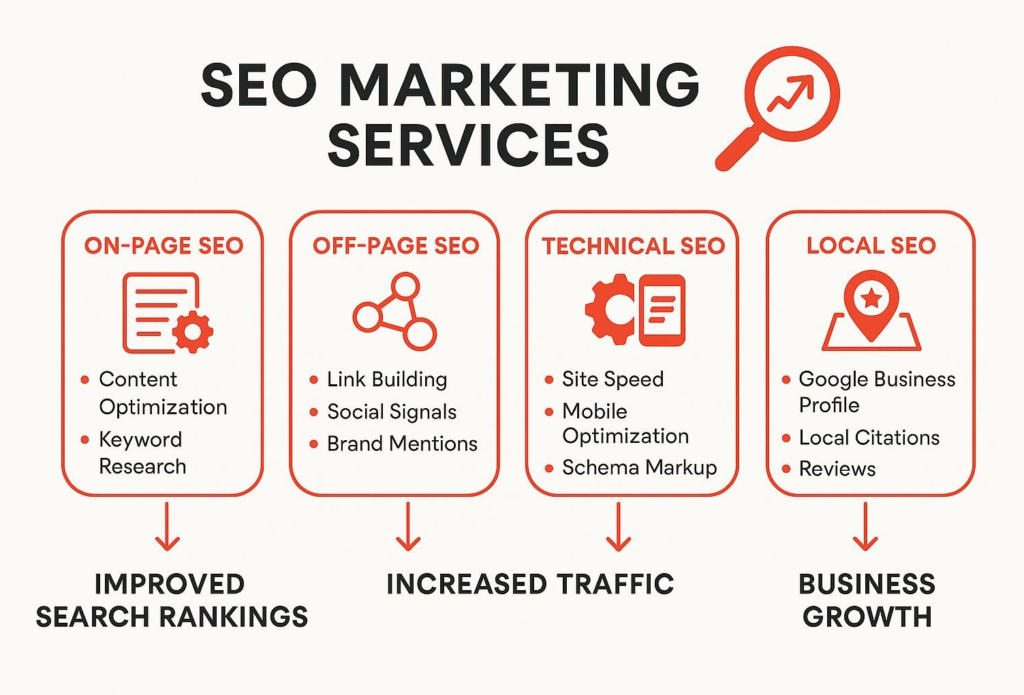
Understanding the main types of SEO helps you identify which areas need improvement on your website.
1. On-Page SEO
On-page SEO focuses on improving individual website pages. It includes writing useful content, using relevant keywords, optimizing title tags and headings, adding descriptive image alt text, and creating helpful internal links.
2. Off-Page SEO
Off-page SEO involves activities that help establish your website’s reputation beyond your own pages. Earning relevant, trustworthy backlinks and building genuine brand awareness can support your website’s credibility. Avoid buying spammy links or using manipulative link-building tactics.
3. Technical SEO
Technical SEO helps search engines access, crawl, and understand your website. It includes checking indexing, fixing broken links, maintaining a clear site structure, improving mobile usability, and addressing website performance issues.
4. Local SEO
Local SEO helps businesses improve their visibility in location-related searches. It includes maintaining an accurate Google Business Profile, using relevant local information on your website, What Is SEO collecting genuine customer reviews, and keeping business details consistent.
For example, a business serving Guntur can create useful content about its services and clearly identify the locations it serves.
How Can Small Businesses Start Using SEO?
Small businesses do not need to optimize everything at once. Start with the steps that address your customers’ needs and your website’s most important issues.
- Understand your customers: Identify the products, services, and questions people search for.
- Research relevant keywords: Use tools such as Google Keyword Planner and Google Search Console to discover useful search terms and existing performance data.
- Create helpful website content: Answer customer questions clearly instead of repeating keywords unnecessarily.
- Optimize important pages: Improve page titles, headings, URLs, images, and internal links.
- Improve technical performance: Check indexing, mobile usability, broken links, and page loading performance.
- Set up local SEO: If you serve local customers, keep your Google Business Profile accurate and complete.
- Measure progress: Review clicks, impressions, search queries, and conversions using Google Search Console and Google Analytics.
These steps create a practical starting point for improving your website’s search visibility.
How Long Does SEO Take to Show Results?
SEO takes time because search engines need to discover, process, and evaluate website content. The timeline depends on factors such as website history, competition, technical health, content quality, and the search terms you target.
Some improvements may be noticed sooner than others, but meaningful results can take several months. There is no guaranteed timeline for achieving a particular Google ranking.
Track your website’s performance regularly and focus on improvements that attract relevant visitors and support your business goals.
How Can KESA Digital Marketing Services Help?
Improving search visibility requires a clear strategy, useful content, and regular website maintenance What Is SEO. KESA Digital Marketing Services helps businesses work toward their online marketing goals through SEO, keyword research, on-page optimization, technical SEO, local SEO, and website improvement services.
If your website is not attracting relevant visitors or generating enquiries, reviewing its content, technical health, and search performance can help identify areas for improvement.
Want to improve your website’s visibility on Google? Explore our SEO Services in Guntur or contact KESA Digital Marketing Services to discuss your website’s SEO needs.
Frequently Asked Questions About SEO
What is SEO in simple words?
SEO is the process of improving a website so that search engines can understand its content and people can find it more easily through relevant search results.
Is SEO free?
Organic search listings do not require payment for each click. However, SEO may involve costs for professional services, content creation, tools, and website improvements.
Can SEO help a small business?
Yes. SEO can help small businesses reach people searching for their products or services, improve online visibility, and generate potential enquiries.
Is SEO better than Google Ads?
SEO and Google Ads serve different purposes. SEO focuses on organic visibility, while Google Ads can provide paid search exposure. The right approach depends on your budget, goals, competition, and timeline.
How can I check my website’s SEO performance?
Use Google Search Console to review search impressions, clicks, queries, and indexing information. Google Analytics can help you understand website visits and user actions.
What Is SEO Conclusion
SEO helps businesses make their websites easier to discover through relevant search results. By understanding keyword research, on-page SEO, off-page SEO, technical SEO, and local SEO, you can build a stronger online presence and connect with potential customers.
Start by improving your most important pages, answering customer questions, and measuring your progress. Consistent, useful improvements can support your website’s long-term growth.
1. How Does SEO Work? Understanding Crawling, Indexing, and Ranking
Search engine optimization works by helping search engines discover, understand, and evaluate website content. When people search for information, products, or services on Google, the search engine tries to show results that are relevant to their needs. Understanding how SEO works helps business owners improve their websites and reach potential customers online.
Crawling: How Search Engines Discover Your Website
Crawling is the process through which search engines use automated programs called crawlers to discover website pages. These crawlers may find pages by following links from other pages or by discovering URLs through sitemaps. If your website has broken links, blocked pages, or technical issues, search engines may have difficulty accessing some content. Maintaining a clear website structure and checking your robots.txt file can help search engines discover the pages you want them to access.
Indexing: How Google Understands Your Content
Indexing happens when Google processes information about a discovered page and decides whether to include it in its search index. Your content should provide useful information, have a clear structure, and satisfy the needs of your target audience. You can use Google Search Console to inspect URLs, review indexing information, and identify potential issues. However, indexing is not guaranteed, even when a page is technically accessible.
Ranking: How Pages Appear in Search Results
Ranking refers to how search results are ordered for a particular search query. Google considers many signals when determining which results are most relevant and useful. These can include the meaning of the search query, content relevance, page usability, and the quality of information available. Businesses can improve their chances of appearing in relevant search results by publishing helpful content, optimizing page titles and headings, using descriptive URLs, and earning relevant backlinks naturally. SEO does not guarantee the first position, but consistent improvements can help a website become more competitive.
2. Why Is SEO Important for Businesses in India?
SEO is important for businesses in India because customers increasingly use search engines to discover products, compare services, and find local providers. Whether you operate a retail shop, educational institution, clinic, real estate company, or digital marketing agency, your website can help potential customers understand what you offer. Search engine optimization improves the opportunity for your business pages to appear when people search for relevant products or services.
Improve Online Visibility and Reach Relevant Customers What Is SEO
A well-optimized website can help your business appear in organic search results for relevant queries. For example, a customer searching for digital marketing services in Guntur may be looking for a provider who understands local business needs. Creating useful service pages, explaining your offerings clearly, and including accurate location information can help your website connect with relevant searches. Your content should focus on the actual services and locations you serve rather than repeating city names unnecessarily.
Attract Relevant Organic Traffic
Organic traffic refers to visitors who reach your website through unpaid search results. Unlike visitors who arrive through unrelated searches, people using specific service-related queries may already have an interest in what your business offers. Keyword research helps you understand these searches and create content that answers customers’ questions. For example, an agricultural supplier could publish helpful information about fertilizer products, while a local service provider could explain its services, process, and service areas.
Generate Business Enquiries and Build Trust
SEO can support lead generation when your website combines useful information with clear next steps. Visitors should be able to understand your services, review relevant examples, and contact your business easily. Adding clear calls to action, contact details, enquiry forms, and WhatsApp links where appropriate can make it easier for interested visitors to reach you. SEO alone does not guarantee enquiries, so businesses should also improve their landing pages, service information, and overall user experience.
3. What Is SEO What Are the Main Types of SEO?
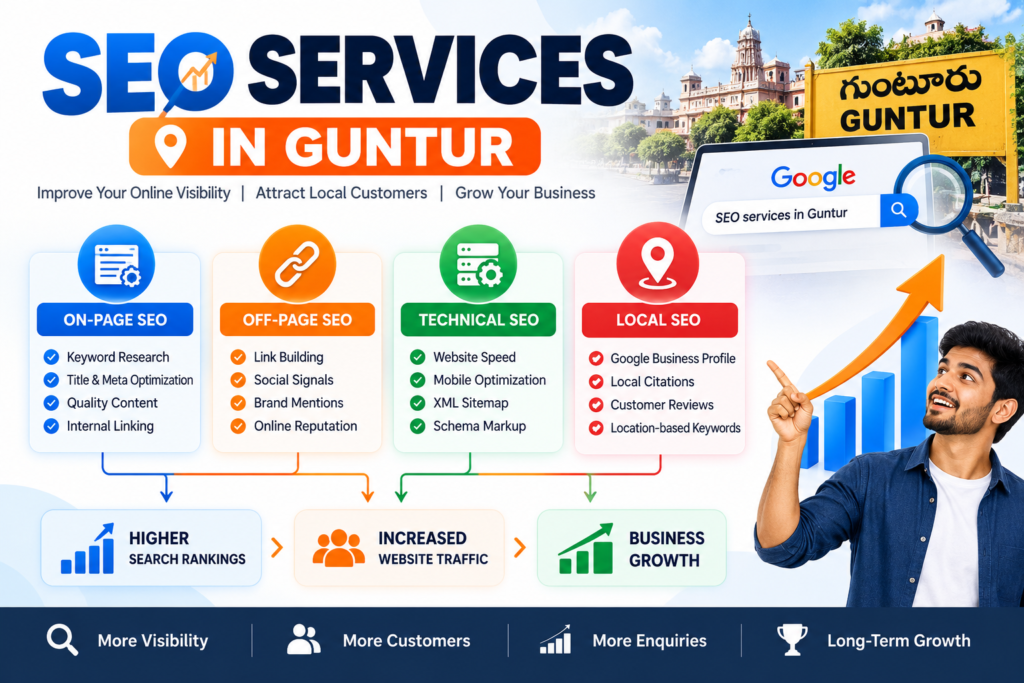
Search engine optimization includes several areas that work together to improve a website’s visibility and usability. Understanding the main types of SEO helps business owners identify opportunities to improve their online presence. The four important areas are on-page SEO, off-page SEO, technical SEO, and local SEO.
On-Page SEO
On-page SEO focuses on improving the content and elements within individual website pages. It includes keyword research, writing descriptive title tags and meta descriptions, organizing content with H2 and H3 headings, optimizing images, and adding relevant internal links. The goal is to make each page useful for visitors and easier for search engines to understand. For example, a service page should explain the service clearly, answer common customer questions, and provide a relevant way to make an enquiry.
Off-Page SEO
Off-page SEO involves activities outside your website that can help establish your brand’s reputation and authority. Earning relevant backlinks from trustworthy websites, publishing useful industry insights, and building genuine business relationships can support your online presence. Businesses should focus on earning links naturally instead of buying spammy backlinks or participating in manipulative link schemes. Quality, relevance, and credibility matter more than simply collecting a large number of links.
Technical SEO
Technical SEO focuses on helping search engines access and understand your website while providing a reliable experience for visitors. Important areas include crawlability, indexability, XML sitemaps, canonical tags, mobile usability, secure connections, and page performance. Website owners can use Google Search Console and PageSpeed Insights to investigate potential issues. Improving technical SEO does not guarantee higher rankings, but resolving significant problems can help search engines access your important content more effectively.
Local SEO
Local SEO helps businesses improve their visibility in searches connected to a particular location. It is especially useful for shops, clinics, restaurants, agencies, and other businesses serving customers in specific areas. Maintaining an accurate Google Business Profile, selecting appropriate business categories, keeping contact information consistent, and encouraging genuine customer reviews can support local visibility. For example, a business serving Guntur and Vijayawada should clearly explain its actual service areas and provide useful location-specific information.
4. How Can Small Businesses Use SEO?
Small businesses can use SEO to reach relevant customers without depending entirely on paid advertising. A practical strategy begins with understanding customer needs, identifying relevant search terms, and improving the website pages that matter most to the business. Instead of trying to rank for every possible keyword, focus on the searches that closely match your products, services, and target audience.
Start with Keyword Research
Keyword research helps you discover the words and phrases people use when searching for information or services. Google Keyword Planner can help you investigate keyword ideas, while Google Search Console provides data about the queries already generating impressions and clicks for your website. Choose keywords based on relevance and search intent, not just their estimated search volume. A specific service-related phrase may be more useful to your business than a broad term that attracts visitors who are unlikely to become customers.
Create Helpful Content for Your Customers
Publish website content that answers real questions and explains how your products or services solve customer problems. A local digital marketing agency could create articles about website optimization, Google Business Profile management, keyword research, and SEO pricing. An agricultural supplier could publish relevant product information and practical guidance for its customers. Each article should offer original value, use clear language, and link to related pages when those links help readers.
Optimize Your Important Website Pages
Review your homepage, service pages, and contact page to make sure visitors can quickly understand your business. Write unique title tags, use descriptive headings, include relevant keywords naturally, and make your website easy to navigate on mobile devices. Add internal links between related blogs and service pages so readers can explore relevant information. Avoid creating several pages that target exactly the same search intent without a clear reason.
Measure Performance and Improve Your Strategy What Is SEO
SEO is an ongoing process rather than a one-time task. Use Google Search Console to monitor impressions, clicks, search queries, and indexing information. Google Analytics can help you understand website visits and important actions, such as enquiry form submissions. Review this information regularly to identify which pages attract relevant visitors and which need improvement. Use the findings to update content, address technical problems, and improve your website’s ability to turn relevant traffic into enquiries.
5. How Long Does SEO Take to Show Results?
SEO takes time because search engines need to discover, process, and evaluate website content. The time required to notice meaningful improvements depends on several factors, including your website’s current condition, competition, content quality, technical health, what is SEO and the search queries you target. Some technical improvements may help search engines access content more effectively, while building visibility for competitive keywords can require sustained effort.
New websites may need time to establish their presence, while existing websites may have opportunities to improve pages that already receive search What Is SEO impressions. Businesses should avoid relying on guaranteed ranking promises or expecting immediate results from every SEO activity. Instead, set realistic goals, monitor relevant performance metrics, and make improvements based on evidence.
What Should Businesses Measure During SEO?
Businesses should monitor more than keyword positions alone. Organic clicks show how many visits come from unpaid search results, while impressions indicate how often pages appear in those results. Enquiries, calls, qualified leads, and conversions help show whether the traffic supports business goals. Reviewing these metrics together provides a clearer understanding of SEO performance and helps identify where further improvements may be useful.
Consistent optimization, helpful content, and a technically sound website can support long-term search visibility. However, rankings and traffic can fluctuate, and no SEO provider can guarantee a specific position or result within a fixed period.
6. How Can KESA Digital Marketing Services Help Businesses with SEO?
KESA Digital Marketing Services helps businesses improve their online presence through practical digital marketing and website optimization services. An effective SEO strategy begins with understanding your business goals, target customers, website condition, What Is SEO and the search terms relevant to your services. Based on these needs, businesses can prioritize improvements that support visibility, website usability, and lead generation.
SEO Services for Better Online Visibility
KESA’s SEO-related services can include keyword research, on-page SEO, technical SEO, local SEO, content optimization, internal linking, and website performance reviews. These activities help identify opportunities to improve website structure, create useful content, and make important pages easier for customers to navigate. Where appropriate, Google Search Console and Google Analytics can help monitor search performance and visitor actions.
Local SEO for Businesses in Andhra Pradesh
For businesses serving Guntur, Vijayawada, Tenali, and other relevant locations in Andhra Pradesh, local SEO can help strengthen their presence in location-related searches. Useful steps may include improving service pages, maintaining accurate business information, creating relevant local content What Is SEO, and optimizing an eligible Google Business Profile. The strategy should reflect the locations your business genuinely serves rather than using location keywords without meaningful local information.
Take the Next Step with KESA What Is SEO
If your website is not attracting relevant visitors, your important pages are not appearing in search results, or you want to improve the quality of your online enquiries, reviewing your current SEO performance is a useful starting point. A clear strategy can help you identify website issues, prioritize content improvements, and work toward measurable business goals. what is SEO
Want to improve your website’s visibility on Google? Explore KESA Digital Marketing Services’ SEO solutions or contact us to discuss your website, target audience, and business objectives. Together, you can identify practical opportunities to improve your online presence and attract more relevant potential customers.
One Response